Genesee County offers the lowest cost basis of any market in southeast Michigan, and the underwriting question is always whether the discount reflects opportunity or obsolescence. The county's manufacturing base contracted sharply over decades, leaving a large stock of industrial buildings that ranges from genuinely functional mid-size production space to buildings that will never be occupied again. Reading that difference correctly is the whole job here.
Flint is the centre of the county, and its economy now leans on healthcare and education rather than assembly. Hurley Medical Center, McLaren Flint, Genesee Health System, the University of Michigan–Flint, Kettering University and Mott Community College anchor the employment base, and the medical office and institutional service demand that comes with them is the most reliable leasing demand in the county. Downtown Flint has seen sustained reinvestment around those institutions.
The county's transport geography is genuinely good and undervalued. I-69 runs east to Port Huron and west toward Lansing, I-75 runs north–south, and Bishop International Airport supports air cargo. For a distribution or light manufacturing user willing to look past the market's reputation, the combination of highway access, available buildings and labour cost is the strongest value proposition in the region.
Genesee is also an active cannabis market. Flint, Burton, Mount Morris and several surrounding jurisdictions have opted in to adult-use establishments, and the county has attracted cultivation and processing operators who need cheap square footage with heavy power — exactly what a decommissioned manufacturing building offers. The distressed side of that market is now equally active: cultivation overbuild and falling wholesale prices have put licensed facilities back on the market, and receivership and workout activity in the county has increased.
For investors, Genesee is a yield market with real execution risk. For owner-users, it is the cheapest functional industrial space within an hour of Detroit. In both cases the diligence that matters is physical: roof, power service, floor condition, environmental history and the honest cost of getting the building back to occupiable condition.
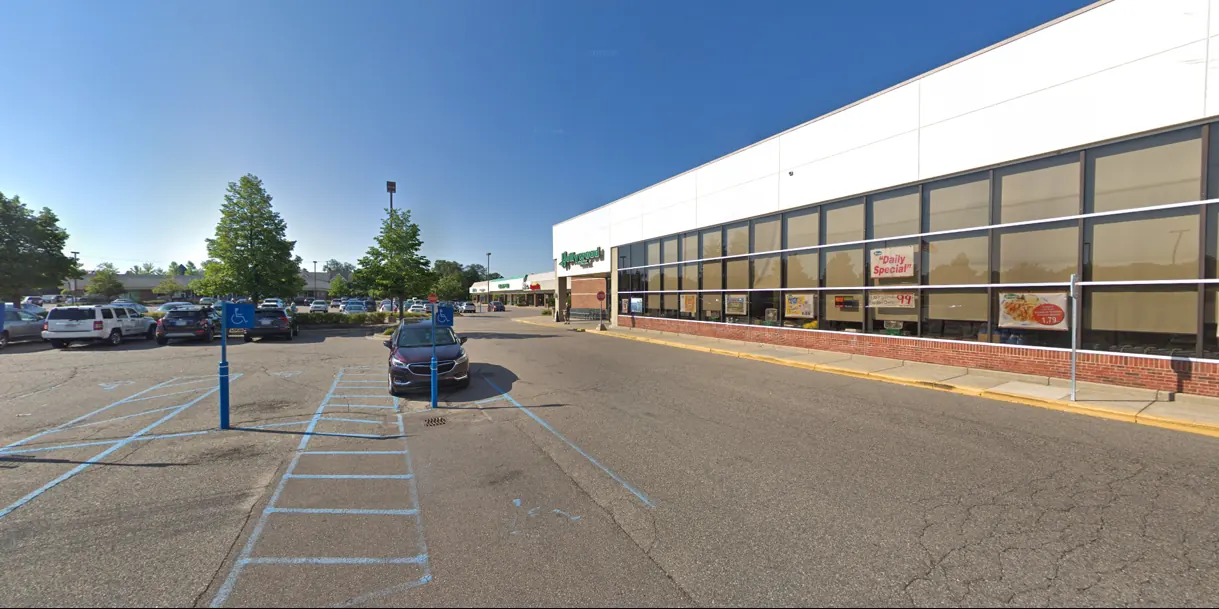
Retail in the county mirrors the broader recovery story. Grand Blanc and the Miller Road corridor in Flint Township carry the newest and best-performing retail in the county, drawing trade from across mid-Michigan, while much of Flint's own commercial frontage on Saginaw Street and Corunna Road has struggled with vacancy and demolition for decades. The gap between suburban and city retail performance in Genesee is wider than in almost any other Michigan county, and a buyer should treat the two as separate markets entirely rather than blending them into a countywide average.
Office in Genesee is small in scale and concentrated around the medical campuses and downtown Flint. Genesys Health Park in Grand Blanc Township has pulled a meaningful share of medical office demand out of the city and into a purpose-built suburban campus, which has left some of Flint's older medical office buildings competing on price rather than location. Downtown Flint's office stock, by contrast, has benefited from targeted reinvestment tied to the university and cultural institutions, and a handful of upper-floor conversions to residential use have started to change the character of streets that were largely vacant a decade ago.
Zoning and entitlement in Genesee are generally permissive by southeast Michigan standards, reflecting decades of population loss that left the county with more approved industrial and commercial capacity than current demand requires. That excess capacity is an advantage for a buyer who wants speed, but it also means that comparable sales are thinner and harder to build a defensible valuation from than in a market with more transaction volume, so appraisal and lending timelines in Genesee often run longer than the underlying deal complexity would suggest.