Livingston County is the part of southeast Michigan where land is still available at scale. The county sits at the intersection of US-23 and I-96 with M-59 running east into Oakland, and that geography gives it something the inner counties no longer have: contiguous, developable, reasonably clean parcels within commuting distance of both Ann Arbor and the Oakland County employment base. Brighton, Howell, Hartland Township and Green Oak Township carry most of the commercial activity.
The county's dominant real estate story is development land. Residential growth has pulled commercial demand behind it — retail at the interchanges, medical office near the hospital campuses, and light industrial and contractor space along the highway frontages. For a buyer, the practical advantage is speed: townships in Livingston generally run faster, more predictable site plan reviews than the inner-ring cities, and utility extension rather than entitlement is often the critical path.
Industrial here is small-bay and service-oriented rather than heavy. Contractor yards, distribution for regional trades, self-storage and flex buildings dominate, and the tenant base is local rather than national. Buildings tend to be newer than the Macomb or Wayne stock, with better clear heights and fewer environmental questions, and they trade to owner-users at a premium that reflects that cleanliness.
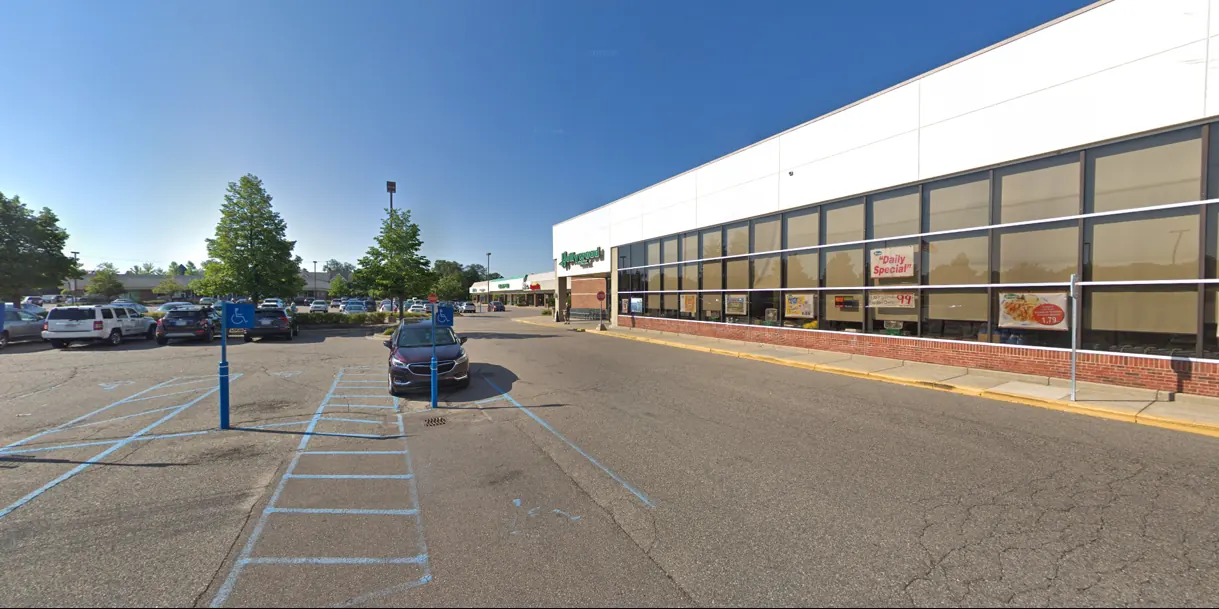
Retail follows the interchanges. Brighton's Grand River corridor and the US-23 and I-96 interchange nodes hold the county's regional retail, while Howell's downtown and Hartland's M-59 frontage serve local trade. Because the county's population growth has been steady rather than explosive, retail here has largely avoided the vacancy overhang seen in older inner-ring corridors.
On cannabis, Livingston is mostly closed. Hartland Township and most surrounding jurisdictions have opted out of adult-use establishments, which means cannabis capital that wants Livingston geography generally cannot get it, and operators end up in Genesee or western Oakland instead. For conventional buyers this is a straightforward market: verify utility capacity, confirm the township's site plan calendar, and price the land against the cost of getting services to it.
Office product in Livingston is thin and mostly medical or professional condo space rather than multi-tenant buildings. Brighton and Howell each carry small clusters of single-storey medical office near their hospital campuses, built to suit specific practice groups, and the resale market for that product is narrow because the buildings are purpose-built rather than generically leasable. A buyer underwriting a Livingston medical office building should treat it closer to an owner-user acquisition than an income-property purchase, since the pool of substitute tenants for a vacated suite is genuinely small.
The county's zoning character favours predictability over density. Most of Livingston's townships operate under conventional Euclidean zoning with generously sized commercial and light-industrial districts platted well ahead of actual demand, which is precisely why land here is easier to move through entitlement than in the built-out inner-ring counties. Planned unit development overlays exist in a few growth corridors, mostly tied to larger residential-anchored projects, but the county has generally avoided the drawn-out, politically contested rezonings that characterise Washtenaw and parts of Oakland.
Construction activity in the county skews toward build-to-suit rather than speculative delivery, particularly in light industrial. Contractors, trade suppliers and regional distributors who have outgrown leased space in Wayne or Oakland increasingly look to Livingston to build a purpose-fit building on owned land, trading a longer development timeline for lower land basis and a more favourable long-term occupancy cost. That dynamic makes Livingston one of the few southeast Michigan counties where a genuinely new industrial building at a reasonable basis is still achievable for a mid-size regional occupier.