Kalamazoo County's economy is built on pharmaceutical and life sciences manufacturing, advanced manufacturing and food production, with Western Michigan University and a strong healthcare sector supporting it. Pfizer's Portage operations are among the largest pharmaceutical manufacturing sites in the country, and the supplier and service base around them gives the county a technical industrial profile that most Michigan markets of its size do not have.
Geographically, the county sits where I-94 meets US-131 — the crossing point of Michigan's main east–west and west-side north–south freight routes, roughly midway between Detroit and Chicago. That position is the reason distribution users look here, and it is why the industrial corridors along I-94 through Portage, Comstock and Galesburg have absorbed steady development. Building stock ranges from older multi-storey brick in the city to modern high-clear product at the interchanges.
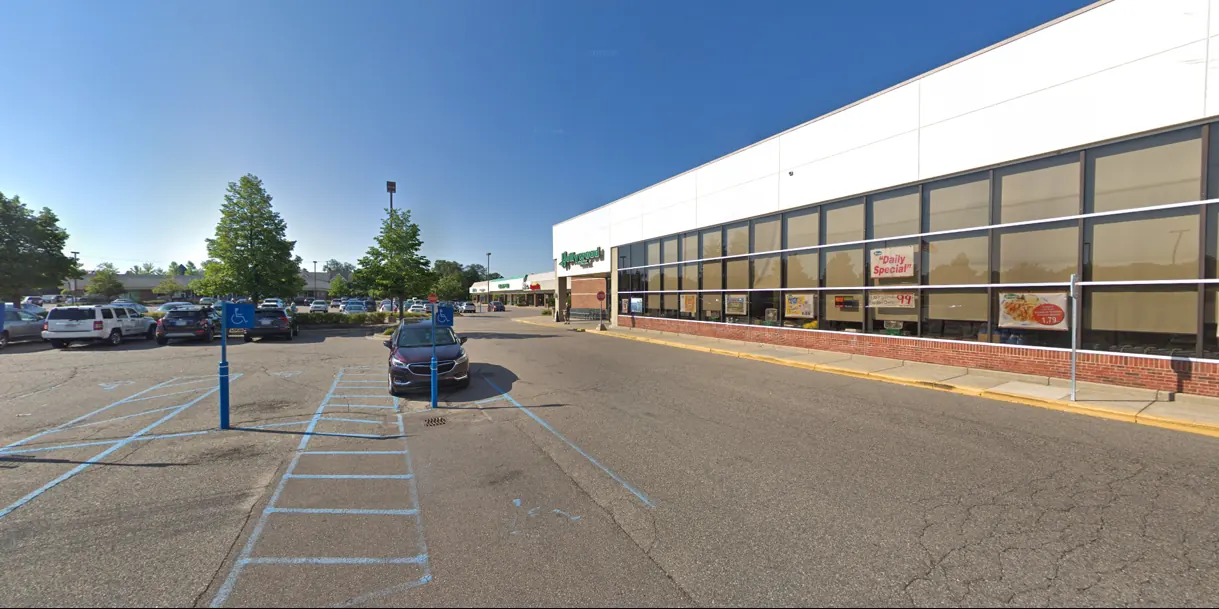
Downtown Kalamazoo has a genuine urban core with a preserved commercial district, an arena, and a small but real office market. Retail concentrates on the Westnedge Avenue corridor in Portage, the county's dominant trade area, with secondary strength along Gull Road and West Main. Medical office clusters around the Bronson and Ascension Borgess campuses.
Kalamazoo is an established licensed cannabis market with an ordinance that prohibits mobile operations, and the surrounding county jurisdictions vary. Van Buren County immediately to the west, including small opted-in communities such as Breedsville, has attracted cultivation and processing operators seeking cheap land and power, and that submarket is now producing distressed and receivership inventory as wholesale prices have fallen.
For buyers, this is a market where technical building specifications matter more than in most of Michigan. Pharmaceutical, food and device users need clean rooms, specialised utilities, floor drains and validated environments, and buildings that already have that infrastructure carry real premiums. Conversely, generic older stock in the city trades cheaply and should be underwritten on reuse cost rather than replacement cost.
The Pfizer campus in Portage anchors a supplier and contract-manufacturing ecosystem that extends well beyond the plant gates. Packaging suppliers, specialty logistics providers and quality-assurance and regulatory services firms have located nearby specifically to serve that account, and a meaningful share of the county's flex and small-bay industrial demand traces back to that single employment anchor, directly or indirectly. That concentration is a real risk factor for an investor to underwrite: a single large tenant's sourcing or site decision carries outsized weight in this county's industrial fundamentals in a way it does not in a more diversified market like Kent.
Western Michigan University's presence shapes the residential-adjacent commercial districts near campus and supports a stable base of service retail and student housing-oriented development, but it is a secondary driver compared with the life sciences and manufacturing base. Downtown Kalamazoo's office and mixed-use redevelopment has been aided by a locally significant philanthropic and civic investment history, and buyers should be aware that several of the district's more visible renovation projects were completed with below-market capital sources that will not be replicated by conventional financing on a comparable building.
Entitlement in Kalamazoo County is generally straightforward in the city's established industrial districts and in Portage's commercial corridors, where zoning has long anticipated the kind of technical manufacturing and distribution use the county attracts. The harder entitlement conversations happen at the county's edges, in townships that have had to react to cannabis cultivation proposals and large-scale warehouse projects without pre-existing ordinance language built for either use, which is where a buyer should expect the longest and least predictable review timelines.