Lansing's commercial office market is shaped fundamentally by its role as Michigan's state capital, with a large concentration of state government office space downtown around the Capitol complex, supplemented by law firms, lobbying practices and trade associations. This gives Lansing's downtown office market a stability and demand driver that is genuinely different from any other city in this dataset, since state government occupancy tends to be far less cyclical than private-sector corporate office demand. The downtown core is characterized by a mix of historic government buildings and mid-century office towers, with ongoing efforts to introduce more residential and hospitality uses to create a more vibrant, 24/7 environment.
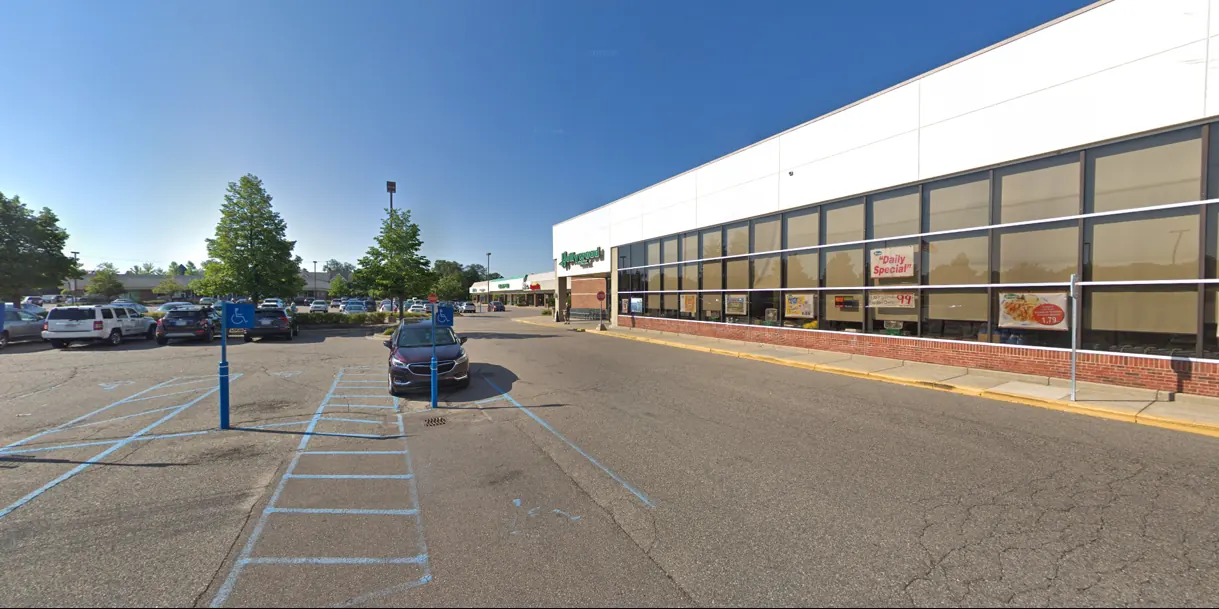
Michigan State University sits in neighboring East Lansing but its economic gravity extends into Lansing itself, supporting research, health care, and technology spillover. The Frandor retail district, located on the border between the two cities, is a unique and high-performing commercial node with a 'strip-mall' layout that has remained resilient for decades. The proximity to MSU drives significant demand for multifamily housing and student-oriented retail and services, making the eastern side of Lansing a particularly active submarket for investors and developers.
Lansing retains a substantial automotive manufacturing presence, most notably General Motors' Lansing Grand River and Lansing Delta Township assembly plants. These plants anchor a supplier and logistics industrial base distributed along the I-96 and I-496 corridors. The city's industrial stock includes everything from massive assembly plants to small-bay flex space serving the local trades. Areas like REO Town and Old Town have seen significant revitalization, with older industrial and retail buildings being repurposed into creative offices, boutique breweries, and artisanal retail, creating a 'maker' economy that complements the city's industrial heritage.
Lansing has an active cannabis retail and cultivation market operating under its local ordinance. As one of the early adopters in the state, Lansing has established itself as a regional hub for the cannabis industry in mid-Michigan. The city's zoning allows for a wide range of cannabis uses in commercial and industrial districts, and the municipal government has a well-established process for licensing and oversight. This has brought new life to several underutilized industrial corridors and has provided a meaningful boost to the local commercial tax base. The 'capital city' status also makes it a strategic location for cannabis advocacy and trade organizations.
For investors and tenants, Lansing offers a genuinely diversified demand base across government, education, automotive manufacturing and cannabis retail. Underwriting should focus on the 'state lease' credit, which provides a high degree of security for downtown office properties. The ongoing redevelopment of the Grand River corridor and the revitalization of the city's historic neighborhood commercial districts provide opportunities for value-add investment. Lansing's relatively low cost of living and doing business, combined with its strategic central location in the state, makes it an attractive destination for companies looking to establish a presence in Michigan.
The buyer profile in Lansing is a mix of local families, regional developers, and institutional investors attracted by the state government anchor. Underwriting should also account for the influence of the two major hospital systems—Sparrow and McLaren—which drive a robust medical office and healthcare-related real estate market. The city's infrastructure, including its rail access and proximity to major freeways, supports a steady demand for industrial and logistics space. Redevelopment of older state-owned properties or underperforming retail centers into mixed-use or modern professional space is expected to be a key trend in the coming years.
What a buyer should underwrite is the long-term stability of the capital city. While it may not see the same 'boom' cycles as some high-growth tech hubs, its 'bust' cycles are also significantly mitigated by the steady presence of state government and a major university. The municipal government is focused on diversifying the city's economy and has been supportive of projects that bring new housing and retail to the downtown core. For businesses, Lansing offers a central location with easy access to Detroit, Grand Rapids, and the northern Michigan markets, making it a logical choice for regional distribution and service operations.