Ann Arbor's commercial real estate market is shaped first and foremost by the University of Michigan, both directly through its campus footprint and indirectly through the research, health care and technology spillover it generates. Downtown Ann Arbor, centered on Main Street and State Street, is a dense, walkable mixed-use core with retail, restaurant and small-format office space serving students, faculty and the broader downtown workforce, distinct from more auto-oriented suburban Oakland and Macomb County retail corridors. This urban core commands some of the highest lease rates and lowest vacancy levels in the state, driven by extreme land scarcity and constant demand from university-adjacent tenants.
The city's life-sciences and research base has grown substantially around the University's research enterprise and Michigan Medicine, supporting a specialized lab and R&D office submarket that is largely unique to Ann Arbor within this list of cities; buildings here need to accommodate wet-lab infrastructure, not just standard office finishes, and tenants tend to be biotech, medtech and university-spinoff companies. The North Campus Research Complex (NCRC) and several private research parks along the South State and Plymouth Road corridors provide the specialized infrastructure needed for these high-growth sectors, creating a market for 'lab-ready' space that is highly insulated from traditional office trends.
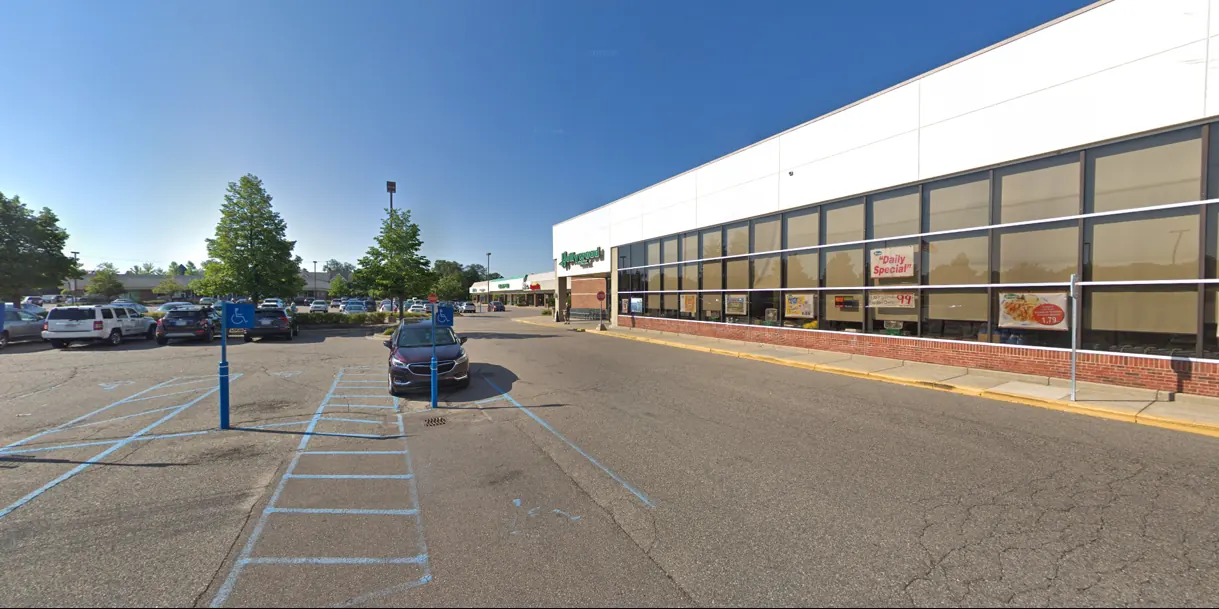
State Street and the South State corridor connect downtown to the university's south campus and athletic facilities, while Washtenaw Avenue and Jackson Road serve as the city's more conventional retail and commercial corridors, hosting national retail, grocery-anchored centers and service commercial uses that serve the broader Ann Arbor and Washtenaw County population beyond the university-driven core. Jackson Road, in particular, has seen significant development in the light-industrial and flex sectors, serving as a primary location for tech-focused service companies and specialized manufacturing.
Ann Arbor has one of the most established adult-use cannabis retail markets in the state, operating under its local ordinance with dispensaries sited across multiple commercial districts. The city was an early adopter relative to many Oakland and Macomb County communities, and cannabis retail here functions as a mature, competitive segment of the retail market rather than an emerging one. The zoning for cannabis is well-defined, and the market has seen a high degree of professionalization among operators, with many flagship locations featuring high-end retail designs that rival boutique fashion boutiques.
For investors, Ann Arbor offers a genuinely different demand profile than the rest of this metro Detroit-oriented list: a large, relatively recession-resistant institutional employment base, strong multifamily fundamentals tied to student and faculty housing, and a research/lab niche with limited direct competition elsewhere in the region. Buyers should underwrite the 'University premium'—the reality that entry costs are higher here than in almost any other Michigan market—and should factor in the meticulous municipal review process. Tenant and buyer profiles are often institutional, including national REITs and large-scale developers attracted by the city's long-term stability and growth trajectory.
Underwriting in Ann Arbor also requires an understanding of the university's master plan, as the institution's expansion can significantly impact surrounding property values and demand. The market for adaptive reuse in downtown, particularly for historic buildings being converted to boutique office or high-end residential, remains active. Retailers and restaurant operators should account for the seasonality of the university calendar, though the city's permanent resident base and year-round medical and tech employment provide a substantial buffer that is missing from more typical university towns.
What a buyer should underwrite is the long-term appreciation potential driven by geographic constraints and institutional stability. Ann Arbor's commercial real estate is often viewed as a safe-haven asset, with low cap rates reflecting the market's perceived lower risk. The city's focus on sustainability and walkable urbanism means that new developments often face rigorous environmental and design standards, which further limits supply and protects the value of existing, well-positioned assets.