

Royal Oak · Oakland County
Royal Oak retail property
Last updated
Market read
What retail property in Royal Oak actually looks like
Royal Oak's downtown, centered on Main Street between roughly 11 Mile and 13 Mile roads, is one of the most walkable independent retail and restaurant districts in Oakland County, built out of a historic downtown building stock that has been continuously reinvested in over decades. Storefronts here are generally narrow-format, ground-floor retail with upper-floor office or residential, a layout that shapes what kinds of tenants can realistically occupy the space. Typical Main Street storefronts run 18 to 25 feet of frontage width with 70 to 100 feet of depth, a proportion inherited from the district's early-20th-century platting that constrains floor plate flexibility for tenants needing a wider showroom or a larger kitchen footprint.
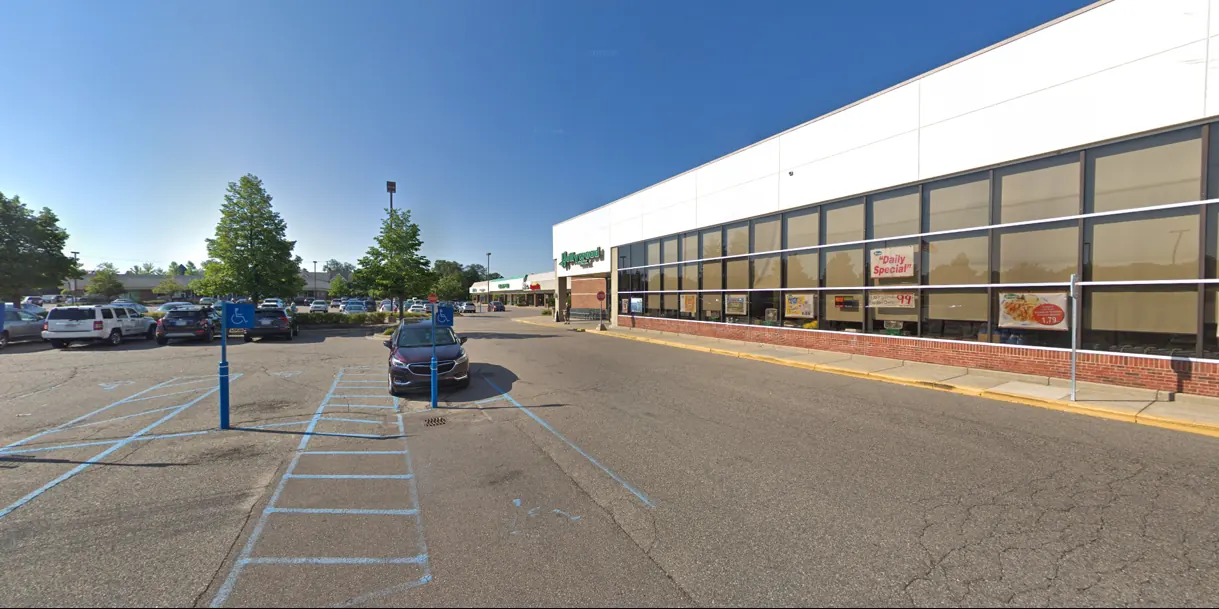
Woodward Avenue through Royal Oak carries a different retail character than Main Street, with a mix of larger-format retail, auto-oriented uses, and standalone restaurant buildings benefiting from higher traffic counts and more visible signage than the pedestrian-scaled downtown core. Buildings along Woodward tend to sit on deeper lots with surface parking in front or to the side, giving those tenants a floor plate and loading configuration that Main Street simply cannot replicate. Buyers should evaluate Main Street and Woodward as distinct submarkets with different tenant profiles rather than a single retail corridor.
Restaurant and bar tenancy is the defining feature of downtown Royal Oak's retail economy, and food-and-beverage leases should be underwritten around the mechanical realities of that use. Grease trap capacity and hood/makeup-air venting routed through party walls or roof penetrations in buildings not originally designed for commercial kitchens are recurring constraints in the district's narrow, shared-wall storefronts. Michigan's liquor licensing framework adds another layer: on-premises Class C licenses in a built-out downtown like Royal Oak are frequently transferred between existing holders rather than issued new by the city, so a prospective restaurant or bar buyer should confirm license availability and transfer timeline with the city clerk's office before committing to a lease.
Zoning downtown supports dense mixed-use development with ground-floor retail requirements in the core district, while Woodward Avenue parcels typically carry more conventional commercial zoning suited to standalone retail and restaurant buildings. Parking availability is a persistent underwriting consideration downtown given the district's historic, narrow-lot layout, and any redevelopment plan should confirm current parking requirements with the city, including whether a proposed use can rely on the city's parking structures and in-lieu payment program rather than on-site spaces.
The tenant base downtown leans heavily toward independent restaurants, bars, boutique retail, and service uses that draw on Royal Oak's reputation as a regional dining and entertainment destination, while Woodward Avenue supports a broader mix including national retailers and auto-related businesses. Turnover among independent downtown tenants can be higher than in national-tenant corridor retail, which affects lease structuring and underwriting assumptions, particularly around tenant-improvement recapture and kitchen equipment ownership when a restaurant space turns over.
A buyer evaluating Royal Oak retail should confirm parking availability and any shared-parking arrangements for downtown properties, assess building condition given the age of much of the Main Street stock — including whether the existing electrical service and HVAC tonnage can support a restaurant conversion — and distinguish clearly between downtown pedestrian retail dynamics and Woodward Avenue corridor retail dynamics when projecting tenant demand and lease terms.
Basis: Building specifications, ranges and submarket detail on this page reflect C3's transaction experience in this submarket, not a published dataset.
Market data
Sourced and dated figures
Metro Detroit retail market · Q1–Q3 2026
Metro Detroit| Metric | Value | Note |
|---|---|---|
| Total vacancy | ≈5.6% | Heading into Q3 2026 |
| Average asking rent | ≈$17.00 / SF NNN | Q1 2026, against a $25.89 national average |
Source: Metro Detroit retail market reporting, 2026 · Figures as of
Inventory
Available in Royal Oak
No active listing of this type in Royal Oak today. Tell us your specification — clear height, power, zoning, timing — and we will work the off-market inventory for it.
Questions
Royal Oak retail questions
- What distinguishes Main Street from Woodward Avenue retail in Royal Oak?
- Main Street is a walkable, historic downtown district dominated by independent restaurants and boutique retail in narrow-format storefronts, while Woodward Avenue carries larger-format, auto-oriented retail with higher traffic counts. They function as distinct submarkets with different tenant profiles.
- Is parking a concern for downtown Royal Oak retail properties?
- Yes, the historic, narrow-lot layout of downtown limits on-site parking for many buildings, making shared parking arrangements and public parking structures relevant to underwriting. Confirm current parking requirements and available arrangements with the city before assuming adequate parking for a given use.
- What tenant types dominate downtown Royal Oak retail?
- Independent restaurants, bars, boutique retail, and service businesses dominate, reflecting Royal Oak's reputation as a regional dining and entertainment destination. National retailers are more common along Woodward Avenue than in the downtown core.
- What zoning applies to Royal Oak's downtown retail district?
- The downtown core carries mixed-use zoning with ground-floor retail requirements, supporting dense pedestrian-oriented development. Woodward Avenue parcels typically carry more conventional commercial zoning suited to standalone retail and restaurant buildings.
- How does tenant turnover differ between the two corridors?
- Independent downtown tenants can see higher turnover than national-tenant corridor retail along Woodward, which affects lease structuring assumptions. Buyers should factor this into underwriting rather than assuming downtown lease terms mirror national-tenant retail norms.
Keep going
Related markets
Talk to a broker
Who covers Royal Oak retail
Corbin Yaldoo, Founder/President, leads coverage of Royal Oak retail. Direct line (248) 220-1110.
- Direct
- (248) 220-1110
- corbin@c3cre.com
- Profile
- Corbin Yaldoo →
Last updated